The Shelf Life of Us: A Bathroom-Clutter Audit for the Casually Entangled
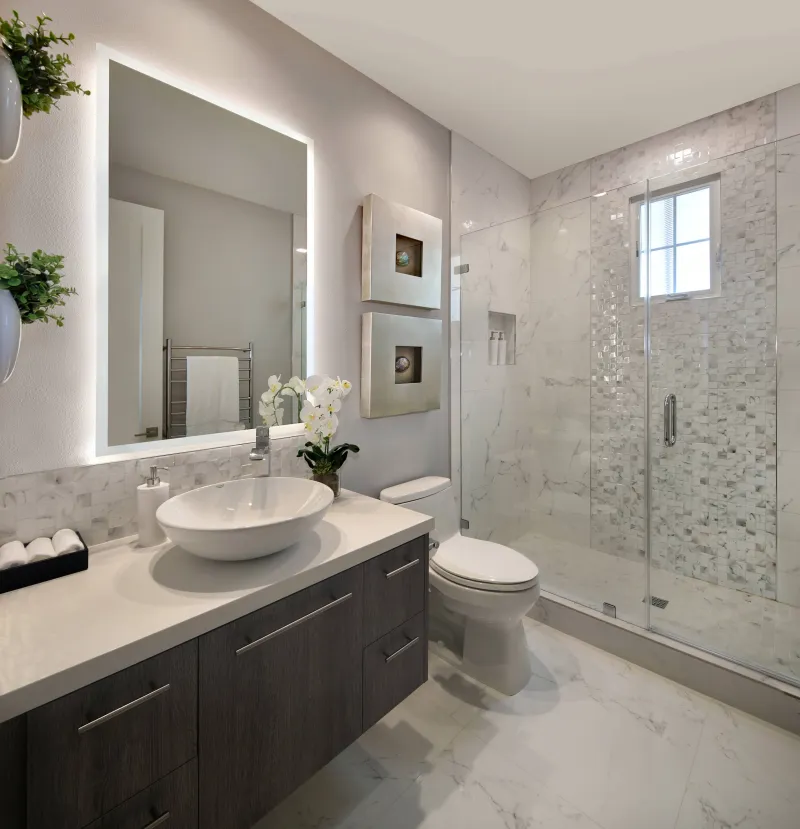
Photo: bathroom shelf toothbrush couple belongings flat UK, via st.hzcdn.com
Picture it: a Sunday morning in a flat that smells faintly of last night’s takeaway. You pad into the bathroom, squint at the shelf, and realise your deodorant is now living beside a razor, three mismatched hair clips and a bottle of something labelled sea salt and sage. Your stuff has started to colonise their stuff. Congratulations — or commiserations — you have entered the bathroom phase of the situationship.
In the UK, where rent is a competitive sport and half of us are sharing a flat with someone who never replaces the loo roll, the bathroom shelf is not just a shelf. It is a tiny, damp parliament of your relationship. It holds evidence. It holds hope. It holds a toothbrush you bought in a panic from a corner shop at 11pm.
The Bathroom Is a Tiny Democracy
Nobody plans to leave a contact lens case at someone else’s place. It happens in increments. First a phone charger, because your battery was dying and they had a spare plug. Then a deodorant, because you stayed over before work. Then a bobble, a lip balm, a pair of emergency knickers folded with the optimism of a person who has never actually needed emergency knickers.
Each object is a small vote for closeness. None of them is a contract. That is the tricky bit. A shelf can look like commitment while the person who owns the flat is still very much in the casually-seeing-where-it-goes camp. So read the clutter, but do not treat it like a legal document.
The Museum of Small Migrations
Here is what some common bathroom invaders tend to signal — with the caveat that humans are messy and no shelf is a crystal ball.
- Phone charger: the gateway drug. Low stakes, high convenience. It means you have been there enough to need power, but not enough to have a dedicated cable.
- Deodorant: a proper sleepover artefact. It says you have done the morning-after commute and would prefer not to smell like the night before.
- Hair tie or bobble: quietly domestic. It means someone has showered, got ready and left a bit of themselves behind.
- Contact lens case or glasses: you have stayed long enough to need to see properly the next day. That is intimacy with admin.
- Spare toothbrush, still in its packaging: sweet, but provisional. It is a hotel amenity, not a declaration.
- Actual toothbrush, used and drying: you have a bathroom routine here. This is not a fling; this is a fixture.
- Emergency knickers or boxers: the ultimate just-in-case. Funny, practical and strangely vulnerable. Someone has planned for a version of you staying over.
- Favourite hoodie or jumper: clothing migration is emotional. It says comfort, habit and a little bit of claim.
- Prescription meds: trust. You do not leave your inhaler or your antidepressants at just anyone’s flat.
- Spare key: the nuclear option. This is not clutter; this is a lease negotiation in miniature.
The Spare Toothbrush Index
Use this highly unofficial scoring system on your own bathroom shelf. Add up the points. Then put the calculator down and have a conversation like a grown-up.
- Phone charger: 1 point
- Deodorant: 2 points
- Hairbrush, bobble or hair clips: 2 points
- Contact lens case or glasses: 3 points
- Favourite mug: 3 points
- Actual toothbrush: 4 points
- Hoodie, jumper or jeans: 4 points
- Emergency knickers or boxers: 5 points
- Prescription medication: 5 points
- Spare key: 8 points
0–5: You are in the visiting era. Lovely. Keep your boundaries and your charger. 6–12: Sleepover season. There is warmth here, but maybe not a drawer. 13–20: You have a shelf, whether or not anyone has named it. Time to check you both want the same thing. 21–27: You are practically cohabiting in miniature. Ask the question before the toothbrush starts asking it for you. 28+: Either you live there or you are running a small satellite branch of your life from their bathroom. A conversation is overdue.
Asking for a Drawer Without Calling a Meeting
The mistake people make is turning the drawer chat into an appraisal. You do not need a PowerPoint. You need a low-stakes moment and a sentence that starts with I.
Try: I keep leaving stuff here and I like it. Could I claim a little shelf or a drawer so I am not living out of a tote bag?
Or: I have noticed my things are slowly taking over your bathroom. I would like that to be a bit more intentional. How does that feel to you?
Notice what you are not doing: you are not demanding a label, auditing their feelings or threatening to remove your deodorant unless they commit. You are naming a reality and asking for a small, practical next step. If they panic at the word drawer, that is useful information. If they clear a shelf, that is also useful information — and frankly quite sexy.
Reclaiming Your Hoodie, Your Mug and Your Sanity
Boundaries are not a personality, but they are a practical way to stop your favourite mug from becoming their pen pot. If something matters to you, ask for it back. You can be warm and direct: I am not breaking up with you, but I would like my mug back. It is the only one that makes tea taste right.
If they get weird about a mug, a hoodie or a phone charger, pay attention. Small possessions are not small when they become a way to test how much you will tolerate. You are allowed to leave a toothbrush at someone’s flat and still keep your own life, your own friends and your own M&S knickers.
The Shared-House Wrinkle
In a UK shared house, the bathroom shelf is a public space. Your spare toothbrush might be sitting next to four other toothbrushes belonging to people who are not your partner. Do not read a housemate’s razor as a rival. Do not assume a shelf is yours just because you stayed over twice. Be discreet, be clean, and do not leave anything behind that would make a house meeting awkward.
The Conversation That Beats the Score
The Spare Toothbrush Index is a bit of fun, not a diagnostic tool. The only score that matters is how you feel when you ask for what you want. Do you feel heard? Do you feel safe to be a bit awkward? Can you laugh about the emergency knickers and still say what you need?
Clutter is not commitment. A drawer is not a promise. But the way two people talk about the silly, practical stuff — the charger, the mug, the toothbrush drying on the side — tells you plenty about how they will handle the bigger stuff. So look at the shelf. Have a giggle. Then use your words, not your deodorant, to find out where you actually stand.